
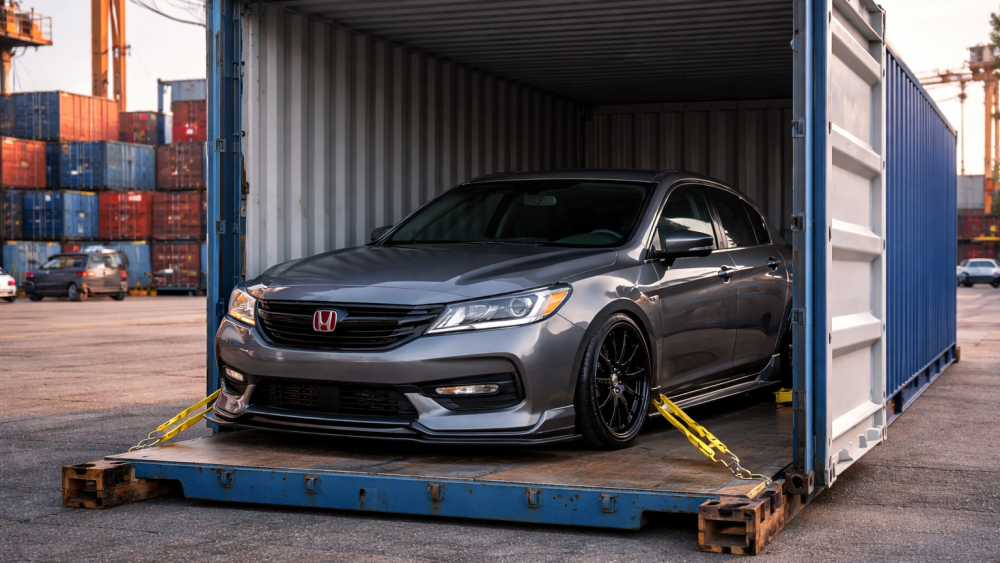
Won a bid at a police auction and now need to get it home? Whether it’s a retired police patrol car, an old cruiser, or a seized vehicle, arranging shipping is the next step—and it’s often more complicated than the bidding process.
Shipping a car from a police auction follows different rules than shipping from a dealership. Pickup windows are tight, storage fees add up fast, and you’re usually dealing with vehicles that have been sitting for a while. In this article, we’re breaking down exactly how to ship a car from a police auction, what factors affect the process, and how to avoid the mistakes that turn a good deal into an expensive headache.
Understanding Police Auction Pickup Requirements
Police car auctions operate differently from standard salvage auto auctions. The biggest difference? Time pressure.
Most police auctions give you 3-7 days to remove your vehicle after purchase. Miss that window, and you’re paying storage fees that add up daily. Some auctions are stricter, with 48-hour pickup requirements that don’t account for weekends or holidays.
Pro tip: Always check local auction rules for exact pickup deadlines. Requirements vary by state and facility.
Here’s what you’re typically working with:
- Limited pickup hours — Many police lots only allow pickup during business hours on weekdays.
- No weekend access — If your auction ends Friday afternoon, you might not get access until Monday.
- Required documentation — Paid invoice, government-issued ID, sometimes a notarized power of attorney if someone else is picking up.
- Vehicle condition disclosure — Most police vehicles sell as-is with no guarantee they run or roll.
Before you arrange shipping, confirm these details with the auction facility. One phone call saves you from scrambling to find transport at the last minute.
What Affects Your Shipping Timeline and Options
Understanding what impacts shipping helps you plan properly. Several factors determine how smoothly the process goes.
Distance and route:
- Longer distances naturally require more time and fuel
- Popular routes between major cities often have better carrier availability
- Remote pickup or delivery locations can add complexity
- Cross-country shipping takes longer, but carriers run these routes regularly
Vehicle condition:
- Cars that run and drive are easier to load and transport
- Inoperable vehicles need special equipment and handling
- Flat tires, seized brakes, or steering issues affect the process
- Be upfront about the condition when requesting auto shipping quotes
Transport type:
- Open transport exposes vehicles to the weather, but it is widely available
- Enclosed transport provides protection in a covered trailer
- Your choice depends on vehicle value and personal preference
Timing:
- Immediate pickup needs often limit carrier availability
- Flexible pickup windows give carriers more scheduling options
- Seasonal demand affects availability
- Summer and early fall see higher demand overall
Size and weight:
- Retired police patrol cars are often heavier than standard sedans
- Extra equipment on police USA cars affects weight calculations
- Larger vehicles take up more carrier space
Pro tip: Providing complete information about your vehicle and pickup situation helps ensure accurate planning and smooth transport.
Choosing Between Open and Enclosed Transport
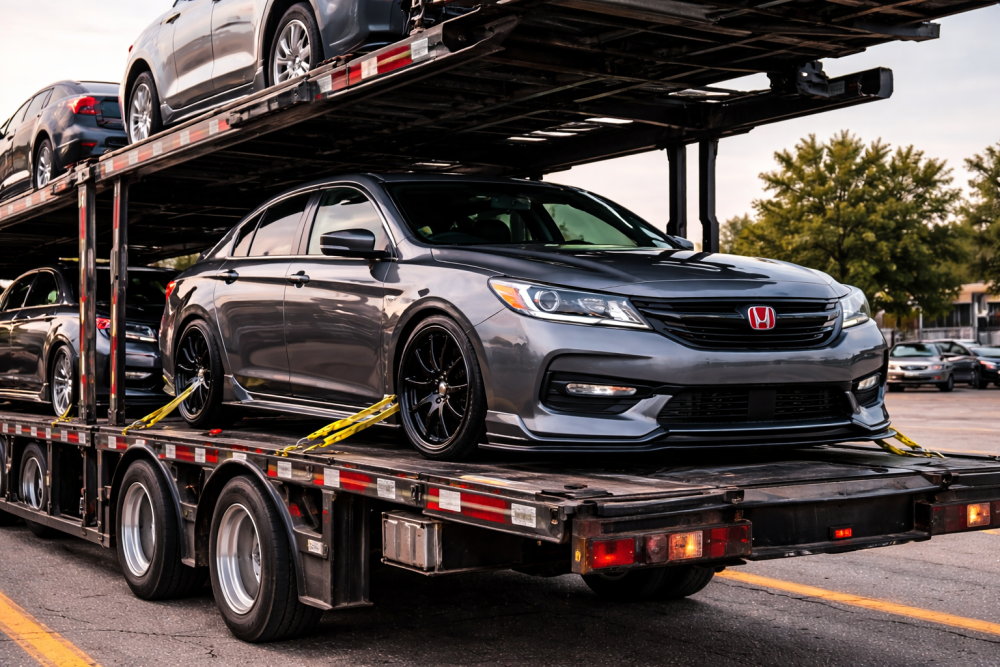
Most people shipping police cars for sale use open transport. It’s more readily available and works fine for used police cars for sale that already have wear and tear.
Open transport:
- Vehicles ride on an open trailer exposed to the weather
- More carriers offer this service with faster pickup times
- Widely available on most routes
- Works well for retired police vehicles being used as daily drivers
- The same method that dealerships use to transport new inventory
Enclosed transport:
- Vehicles ride inside a covered trailer
- Protects against weather, road debris, and damage
- Better for restored or collectible American police cars
- More limited availability requires advance booking
- Provides peace of mind for valuable vehicles
For most retired police cars for sale, open transport is the best option. These vehicles were driven hard, parked outside, and aren’t show cars. If you bought a rare vintage US patrol car, enclosed transport protects your investment during shipping.
Door-to-Door vs Terminal-to-Terminal Shipping
You’ve got two main shipping options when deciding how to ship a car: door-to-door car shipping or terminal-to-terminal shipping.
Door-to-door shipping:
- The driver picks up from the auction lot and delivers to your address
- More convenient with fewer coordination steps
- Works if your address is accessible for large car carriers
- Preferred option for most buyers
- Eliminates the need for additional transport arrangements
Terminal-to-terminal shipping:
- You drop off at a shipping terminal and pick up from another terminal
- Requires you to arrange transport to and from terminals
- Makes sense if you live in a remote area or the auction lot isn’t carrier-accessible
- Adds extra steps, but can work for specific situations
- You’re responsible for getting the vehicle to the terminal
For police auction purchases with tight pickup windows, door-to-door usually wins. You don’t have time to coordinate multiple transport legs when storage fees are mounting.
How to Book Shipping for Your Police Auction Vehicle
Here’s the actual process for arranging transport when shipping a car:
Get your auction details immediately
As soon as your bid is accepted, confirm:
- Exact pickup address and contact number
- Pickup window dates and hours
- Required documentation for release
- Whether the vehicle runs and rolls
- Any special access requirements
- Gate codes or security procedures
Gather vehicle information
Have this ready when requesting a shipping quote:
- Pickup location with city, state, and zip code
- Delivery location with city, state, and zip code
- Vehicle year, make, and model
- Vehicle condition, including whether it runs
- Pickup deadline based on auction requirements
- Any special considerations, like missing parts or damage
Pro tip: Always use licensed auto auction shipping services. They handle the paperwork for you—saving time, reducing risk, and helping you avoid storage fees, missed pickups, and unnecessary stress.
Review what’s included
When evaluating a car shipping service, check:
- What’s included in the service
- Estimated pickup and delivery timeframes
- Cancellation policies
- Payment terms, fees, and deposit requirements
Book as soon as possible
Once you know you’ve won the auction, book shipping. Waiting until the last day limits your options and creates unnecessary stress. Most carriers require a minimum of 24-48 hours’ notice to schedule a pickup properly.
Coordinate pickup
Confirm pickup appointment with both the shipping company and auction facility. Make sure someone will be there to release the vehicle. Some auctions require the buyer to be present, while others accept carriers with proper documentation.
Inspect on delivery
When the vehicle arrives, inspect it carefully before signing. Document any damage that occurred during transport with photos.
Special Considerations for Non-Running Police Vehicles
Many police impounded cars for sale and old police cars don’t run. They’ve been sitting or have mechanical issues. Shipping vehicles that don’t run requires specific equipment and planning.
What to communicate about your vehicle:
- The vehicle doesn’t start, or the engine doesn’t turn over
- The vehicle doesn’t shift into neutral or roll freely
- Tires are flat, low, or missing entirely
- Steering doesn’t work or is locked
- The brakes are seized, or the emergency brake won’t release
- Any missing wheels or axle damage
Carriers use winches and specialized equipment for inoperable vehicles. Be upfront about the condition—discovering a car doesn’t run when the carrier shows up can result in a refused pickup or rescheduling, which can cost you storage fees at the auction lot.
Take photos and videos of the vehicle condition before pickup. This protects both you and the carrier if questions arise about pre-existing damage versus transport damage.
Working With Auto Auction Shipping Services
Some auction platforms offer integrated shipping services.
Benefits of using auction-integrated shipping:
- Carriers are already familiar with specific auction facility procedures
- Streamlined documentation process
- Better coordination between the auction staff and drivers
- Experience handling tight pickup windows
- Pre-existing relationships with auction facilities
- Understanding of common police auction logistics
Car shipping companies that specialize in auction transport understand the unique requirements. Make sure your carrier has experience with police car auctions and similar time-sensitive pickups.
Tips for Smooth Police Auction Vehicle Shipping
You can ship vehicle purchases from police auctions more smoothly by following these best practices:
Book immediately after winning
Don’t wait. As soon as your bid is accepted, start arranging transport. This gives you maximum flexibility and the best carrier availability.
Be flexible with pickup dates when possible
If the auction gives you a 5-7 day window, offering that full range makes scheduling easier than demanding pickup on a specific day.
Communicate clearly about vehicle condition
Honesty about whether the car runs, rolls, has flat tires, or is missing parts prevents problems at pickup. Carriers can bring appropriate equipment if they know what to expect.
Have all documentation ready
Paid invoices, IDs, and power of attorney forms, if needed—get everything organized before pickup day. Missing paperwork delays the process and can result in missed pickups.
Choose the right transport type for your vehicle
Daily driver police cars do fine on open transport. Restored or collectible United States police cars might warrant enclosed transport. Match the service to the vehicle’s value and your peace of mind.
Take detailed photos before pickup
Document existing damage with time-stamped photos. This protects you if questions arise about the condition during transport.
Stay in communication
Check in as the pickup day approaches. Confirm the timing, verify the driver has the correct contact information, and ensure the auction facility is expecting them.
Pro tip: Always confirm requirements directly with the auction operator before arranging shipping. Auction rules and transport regulations vary by state and facility.
FAQ
How quickly can I arrange shipping from a police auction?
Most carriers require 24-48 hours’ notice to schedule a pickup. Expedited service can sometimes arrange next-day pickup, but availability isn’t guaranteed. Given tight auction pickup windows, book shipping immediately after winning your bid. Waiting creates stress and significantly limits your options.
Do police vehicles require special insurance for shipping?
No. Standard auto transport insurance covers police vehicles the same as civilian cars. Most carriers include cargo insurance as part of their service. If you bought a rare or valuable police car, ask about additional coverage options.
What happens if pickup can’t occur within the auction’s deadline?
You pay storage fees to the auction facility until pickup happens. This is why booking early matters—it gives carriers time to schedule pickup within your window. If you’re cutting it close, communicate urgency and confirm the carrier can meet your deadline before finalizing arrangements.
Can I ship a police vehicle that’s missing parts or has damage?
Yes, but disclose everything upfront. Missing wheels, broken glass, body damage, and missing doors all affect how the vehicle needs to be loaded and secured. Surprises at pickup can result in delays or complications. Be completely honest about the condition when arranging transport.
Final Thoughts
Arranging shipping for a police auction vehicle takes more planning than shipping a regular used car. Tight pickup deadlines, vehicle condition issues, and auction facility procedures all add complexity. However, with early booking and clear communication, the process runs smoothly.
Whether you bought retired police cars for sale for personal use, old police cars to restore, or police impounded cars for sale to flip, getting them shipped efficiently protects your investment. Storage fees from missed deadlines can quickly eat into whatever deal you got at auction.
For reliable shipping solutions tailored to auction purchases, EasyHaul offers car shipping services designed specifically for buyers who need fast, dependable transport with tight deadlines. Our network of carriers understands auction logistics and works directly with facilities nationwide to ensure smooth pickups.
Register a free account to schedule your car shipment. It’s fast, reliable, and built for auction buyers!



Leave a Reply
You must be logged in to post a comment.